
About me
I am an experienced strategy and innovation specialist with over 12 years of experience, skilled in applying creative problem-solving methodologies such as design thinking, facilitation, and systems thinking.
Holding dual Masters degrees in Theology and Business Administration, I’ve navigated various industries, employing an iterative approach to tackle complex issues and drive innovative thinking and technology transformation that impacts the business goals.
My emphasis on human-centered design ensures the delivery of intuitive, distinctive, and innovative solutions rooted in a profound understanding of customer and employee needs.
Whether involved in social intervention, building digital platforms, creating hyper personalised solutions for the banking industry or guiding companies on a technology transformation journey, my commitment to turning ideas into prototypes fuels my passion for innovation.
I’m open to engaging conversations on product innovation, customer experience, sweating your digital assets and leveraging AI or even Lego – acknowledging that ideas flourish when executed.

Approach-
Customer-centric decision making
Research
Commencing with research in Human-Centered Design (HCD) is crucial as it lays the foundation for creating solutions that genuinely meet the needs and preferences of users.
Create
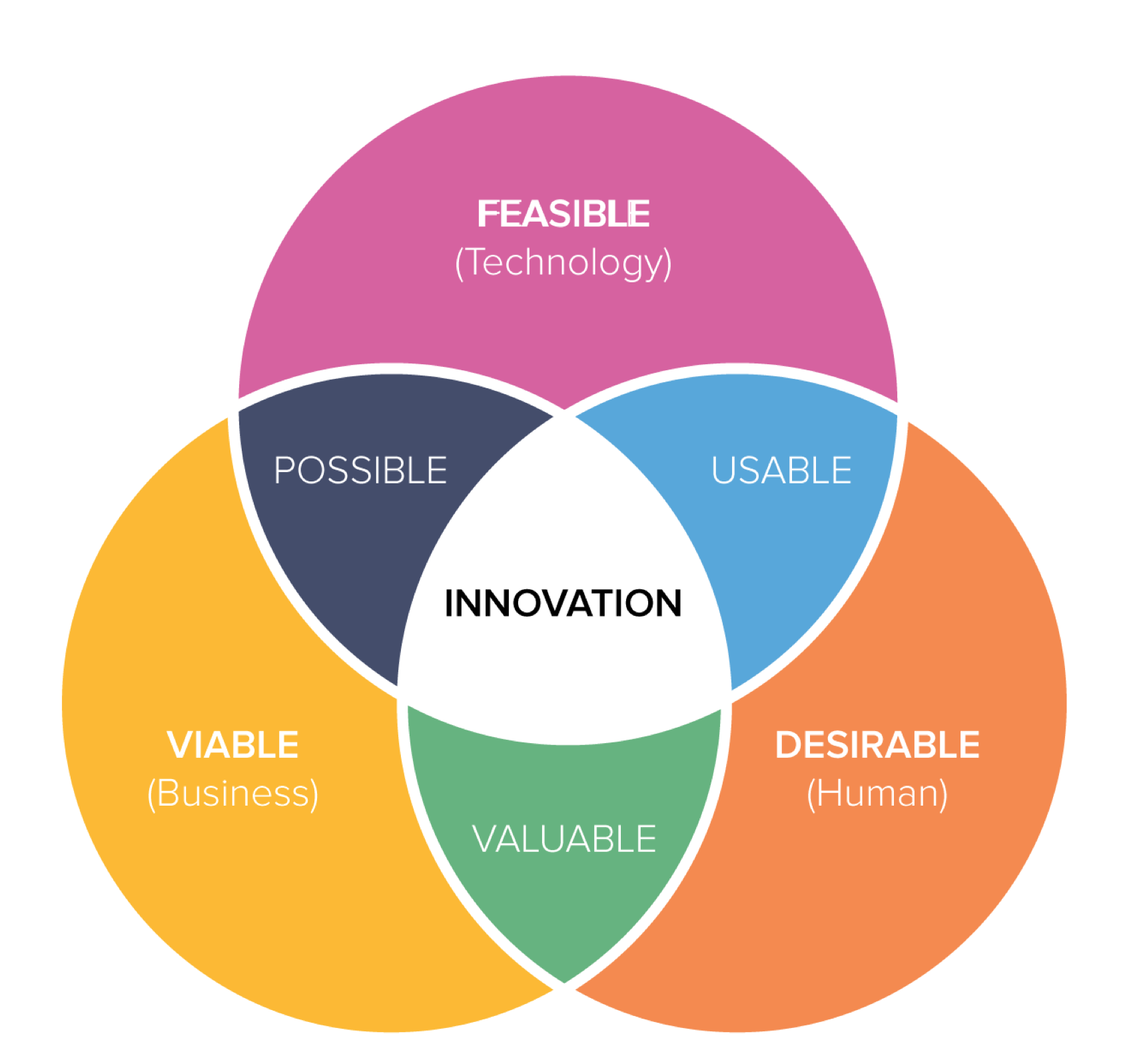
In the “Create” stage of service design, leveraging the Desirable, Viable, and Feasible framework, the insights gleaned from comprehensive research are translated into concrete solutions aimed at fulfilling user needs and enriching their experiences.
Deliver
In the “Deliver” stage of service design, the focus shifts towards implementing and launching the finalized service solutions while also prioritizing the improvement of key business metrics.
Core Skills
- Strategic Thinking 85%
- Facilitation 80%
- Innovative thinking 90%
- Systems Thinking 85%
- Behaviour Economics 83%
- Futures Thinking 70%
My Methodology
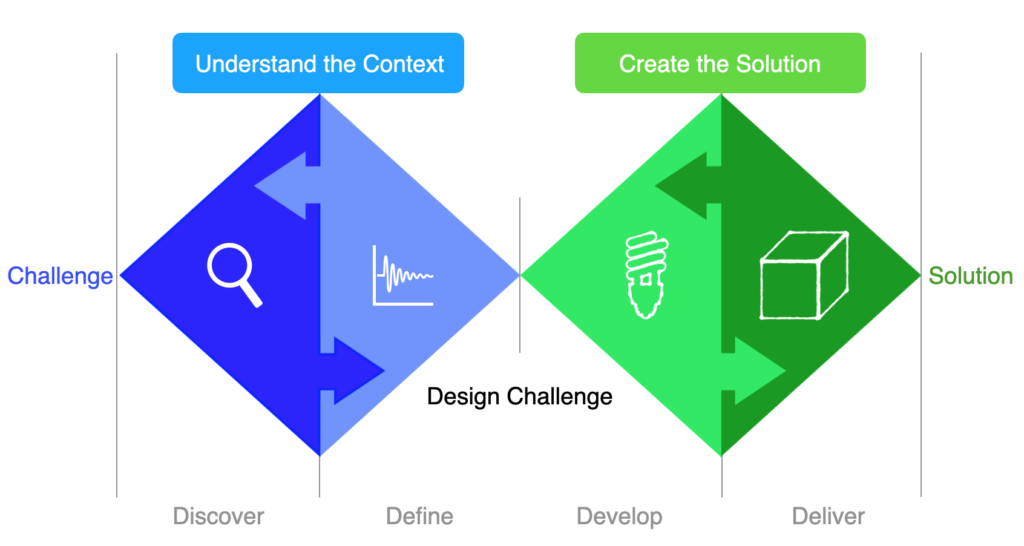
In my methodology for creating and iterating on services, I integrate several key mindsets and approaches.
I begin with a human-centric mindset, focusing on understanding and addressing the needs of both customers and employees.
I emphasize co-creation, collaborating with stakeholders throughout the design process to ensure diverse perspectives are considered.
I adopt a holistic approach, examining the entire service ecosystem to identify interconnections and potential impacts.
I use explorative techniques to uncover new insights and opportunities for innovation.
I ensure tangible outcomes, translating ideas into concrete solutions that can be tested and refined.
I employ a divergent-convergent method, generating a wide range of ideas followed by focused refinement to select the most promising concepts.
Finally, I apply a Desirable, Viable, and Feasible filter to ensure that solutions are not only appealing to users but also sustainable and practical to implement.
By combining these elements, I develop and iterate upon services to effectively capture the hearts of both customers and employees.
Some Case Studies

Digital transformation of BM
Role: Spearheaded the initiative.
Challenge/Goal: Revamp a 127-year-old publishing company’s traditional business model, transitioning from content creation to hosting a multi-sided digital platform.
Approach: Led the overall digital transformation strategy and implementation.
Outcome: Successfully led a significant digital transformation for a long-standing company.

Give Responsibly
Role: Internal Service Design lead and programme coordinator (7-year tenure at Straatlig).
Challenge/Goal: Address the complex issue of homelessness in Stellenbosch.
Approach: Employed iterative approaches, gained insights into empathy, utilized data-driven decision-making, and facilitated stakeholder workshops to develop a comprehensive service blueprint.
Outcome: Produced a blueprint for reducing loitering and promoting reintegration, and fostered a data-driven cultural shift in early childhood education.

Refreshed the Absa Rewards programme
Role: Lead Service Designer.
Challenge/Goal: Enhance the program’s perception among Absa customers and encourage them to realize the benefits.
Approach: Applied principles of behavioral economics and conducted numerous iterations to redesign the omni-channel rewards experience.
Outcome: Created a rewarding and delightful experience for customers, fostering their loyalty towards Absa.

Preparing for digital transformation

Expanding revenue streams
Role: Part of an advisory team.
Challenge/Goal: Assist RBIDZ in increasing their revenue streams by expanding their ICT services and customer base.
Approach: Assisted in understanding the target industry through in-depth market research and co-created a go-to-market strategy via workshops.
Outcome: Developed a clear go-to-market strategy that significantly de-risked their service expansion.

Value Proposition Design
Role: Researcher and facilitator.
Challenge/Goal: Address the common problem in the technology sector where individuals struggle to articulate their value to business.
Approach: Assisted various iOCO business units through workshops and industry analysis (including customer needs, competitor, and industry analysis) to bridge the gap between technology functionality and business value.
Outcome: Delivered a clear go-to-market strategy, including marketing collateral like a pitch deck.
Helping the homeless
Refressing the Absa SME Friday initiative
Role: Lead Researcher/Designer.
Challenge/Goal: Determine why the initiative did not hit desired targets after launch.
Approach: Conducted research to identify the cause and proposed a new journey to increase traction, using a Desirable, Viable, Feasible (DVF) approach.
Outcome: Determined the initiative lacked desirability and value from customer and SME perspectives, leading to a proposed new journey.

Redesign the ideality and business model of Stellumthombo
Role: Managing Director
Challenge/Goal: Lead a cultural shift towards a more data-driven approach to address social challenges in Stellenbosch.
Approach: Developed a solid theory of change, moving from reactive to proactive strategies focused on early childhood education and literacy. This involved extensive stakeholder engagement, collaborating with executives, and implementing change management initiatives, including organisational restructuring.
Outcome: Successfully shifted the organisation from reactive problem-solving to proactive, data-driven strategies, particularly in early childhood education and literacy.

Dairy digital transformation

Digital Transformation of Church
Role: Facilitator and coach
Challenge/Goal: Help a church in a town with over 74 churches become more digitally inclusive.
Approach: Focused on redefining their core value proposition, identifying their ideal market, and creating new service offerings through a series of Design Thinking and Lego Serious Play Workshops.
Outcome: Enhanced congregational retention and buy-in through digital inclusivity.

Early assessment and intervention of primary school children with learning difficulties
Role: Facilitator and Process Design
Challenge/Goal: Explore and improve the process for early assessment and intervention for primary school children with learning difficulties.
Approach: Facilitated workshops with key organisations and an education expert, creating an ideal customer journey to ensure ideal operations.
Outcome: Identified key constraints, such as a lengthy two-year waiting list for educational psychology assessments.

Business design to make triggerise the best place to work